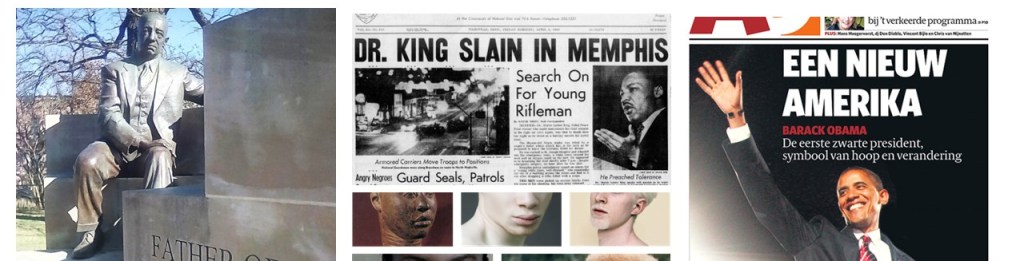
As I often do with a new project, I started by taking inventory of what the audience already knows, or think they know. That way, I know where to fill in or redirect conversation rather than dictate what they SHOULD know.
Of the 10 ten potential schools for my curriculum, I had face-to-face relationships with students at three. Between the November request and February completion, I interviewed many students, most of whom were first generation from other countries. I started with:
“What do you know about Black History?”
Their responses weren’t surprising. Whether in accented English or through a translator, most knew Blacks Americans had been slaves, and that Martin Luther King had a dream. Many wondered why, with the indifferent tone of teenagers, they had to study it? A few reversed the interview process to ask me questions. Like, “Were you a slave?” or, if my parents were slaves.
I rolled with the punches of their responses until I was slapped in the face with a life-changing reality telling a mother-in-law story.
My wife’s 80-year-old mother was visiting us in Illinois. She abruptly cut short her vacation, abruptly realizing she’d overlooked a deadline back home in North Carolina. So, on an cool November morning, I escorted her on an early-morning flight from Chicago to Fayetteville, secured an airport cab to her house she could “clean up,” then drove her car through the rain to the polls, arriving barely before the polls closed, so she could kibbitz — uh, talk with — neighborhood friends, then cast her vote…for Barack Obama to become President of the United States!
The class was unmoved. Voting had no significance for them, especially after 2020. Still, they must have been told of the historical significance of the 2008 election and why this trip was so important for Mama and her neighbors. You’d have thought I was speaking without subtitles. To stress the importance, I prodded with TV images.
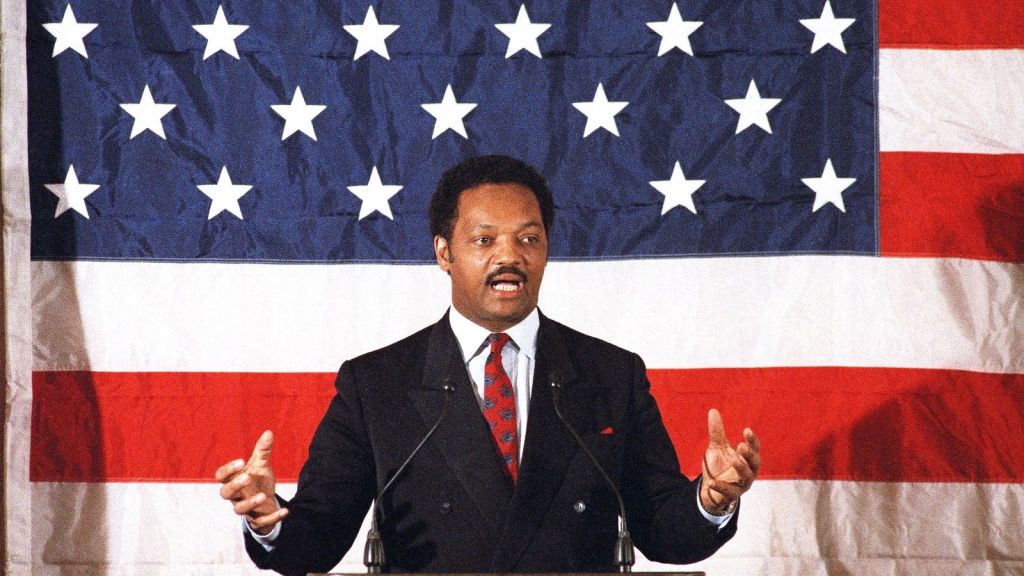
“You remember when Barack Obama was elected president. Thousands of people in Grant Park, Jesse Jackson crying…”
“No.” The answer was collective.
“Sure. It’s probably the most important moment in Black History AND U.S. History. When Barack Obama was elected president…”
“I wasn’t born.”
“I wasn’t born” landed on me like the forceof Muhammad Ali’s fist on Joe Frazier’s jaw when I saw Joe’s mouthguard go flying during their historic “Thrilla in Manila” heavyweight boxing match the year I graduated college. I deflated like a helium yard balloon decoration at sunrise. Like the liquidated Wicked Witch of the West, I melted. The reality of their words hit me:
NONE of these students, nor any others in any Black history class ever after, would have first-hand knowledge of what Obama’s election meant for people of African descent and all people of America. No concept of the Black, White and whatever ethnic rainbows formed coalitions in that or earlier elections enabling Barack’s victory.
Moreover, these were new Americans who had little no sense of what Black history meant in U.S. history. Given the status of the world into which they were born, or nation from which they came, It was little wonder they had the questions and indifference they did. And the color of the students didn’t matter…except that it did.
I asked a friend, a Black female who taught similar post-Obama-aged students in another district to ask my same questions. Her students were predominately Black. They, too, wondered why studying Black History was necessary. Further, coming on the heels of Martin Luther King’s Birthday, her students felt the month-long studies redundant.
So, I called the course “Black History for New Americans,” a two-part discourse on identity.
- Part One was a prequel to American slavery. This included how people of color migrated from the African continent to other nations globe. This STEM, biology, geography background unintentionally led the migrated European, Middle Eastern, Hispanic, Asian and African-American children in one class to see each other differently. At least temporarily they adapted the spontaneous greeting of a proud lass of Polish heritage, who tended toward being yet argumentative, but for these brief shining moments began greeting her classmates with, “Hello, cousin!”
- Part Two outlined the relatively recent history of “African-Americans,” a culture unique to the United States. The overview included why slavery in the U.S. was more cruel and lasted longer than slavery in other nations, and the role of religion in perpetuating and abolishing 19th Century slavery and 20th Century segregation.
 Black History: A Personal Journey
Leave a comment