The truth of American history is that it’s a melting pot of idealistic, ethnocentric, egocentric ideals that are a tempest stew. History studies are both a mirror to past abuses and visions of future hope. They fall in the realm of being doomed to repeat unless studied for insight. Reviewing facts and famous firsts isn’t enough. At the heart of difficulties discussing racial matters is discussing matters of the heart as well as the law.
We can discuss the ramifications of legal policies such as Affirmative Action, the 1965 Voting Rights Act, the 13th and 14th Amendments; we can look at H.R. hiring guidelines, or Diversity, Equity, Inclusion visions of casting mixed families in commercials and advertising all we want. They can be “executive ordered” into oblivion in hopes of “colorblind” interactions. But can we handle the truth of the question our nation must answer:
Would any of these laws or guidelines be necessary if, historically, our hearts were truly as open and unafraid as say we are, or dream we were?
TBH (“To Be Honest” for you oldsters out there), sometimes Black History Month makes me weary. Not the celebrations and pure studies. Not the family times and discoveries. Not the honest inquiries from friends and relatives seeking understanding. Not the wonderfully creative programs produced by school children who capture the depth of the past and reflect their future desires.
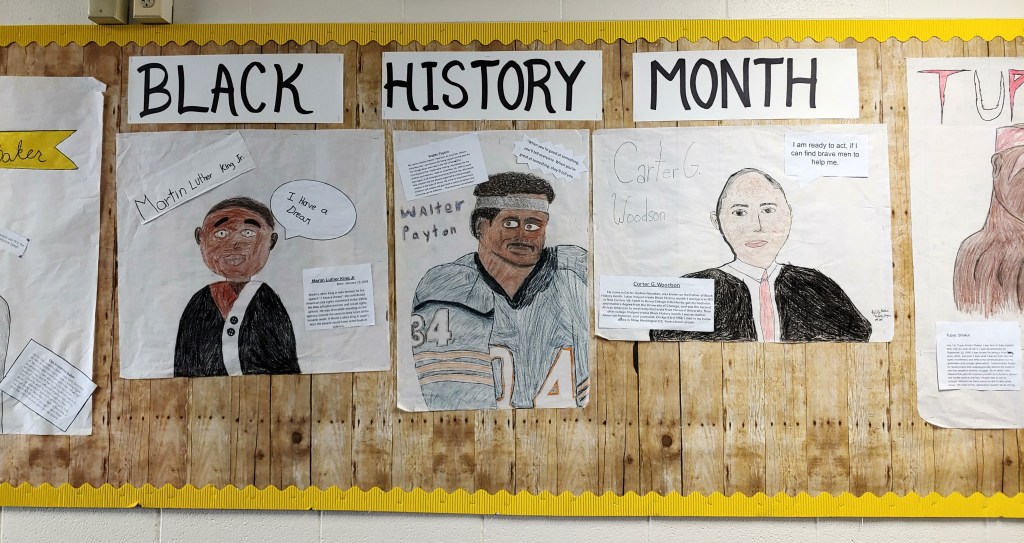
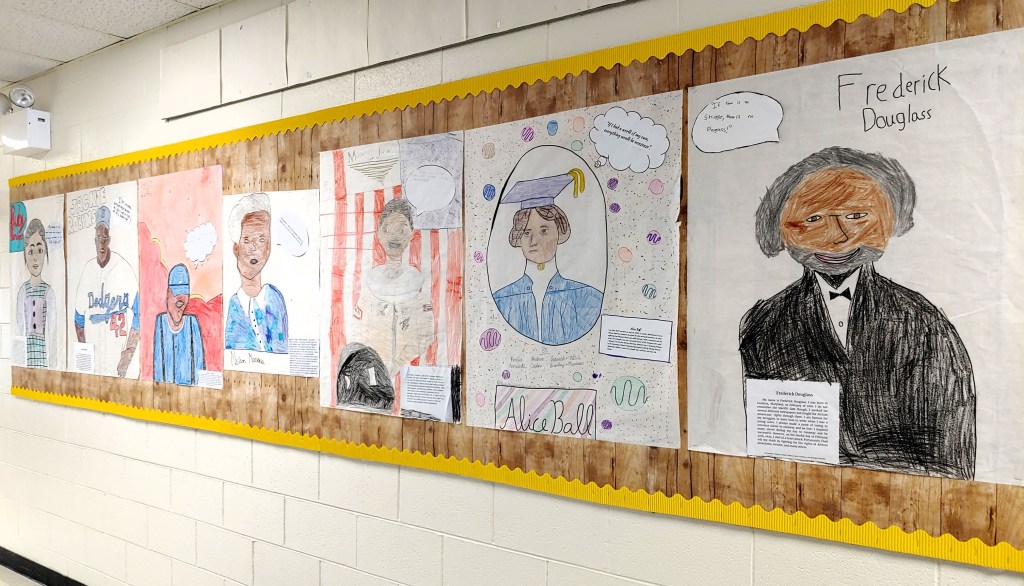
Multicultural mural by inspired students at a middle school where I worked.
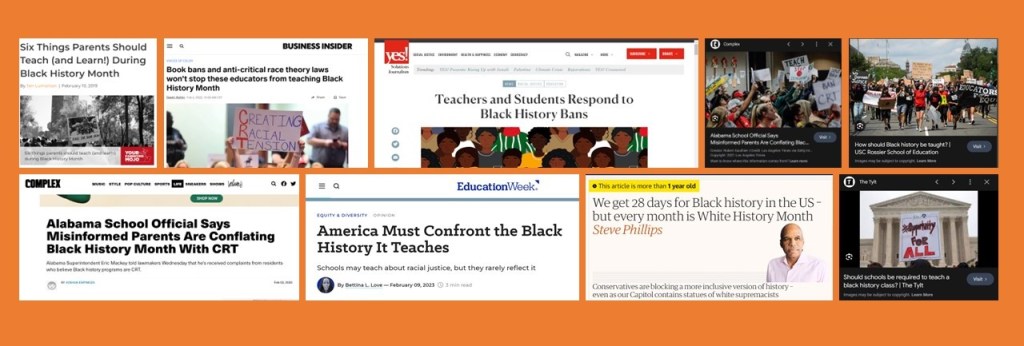
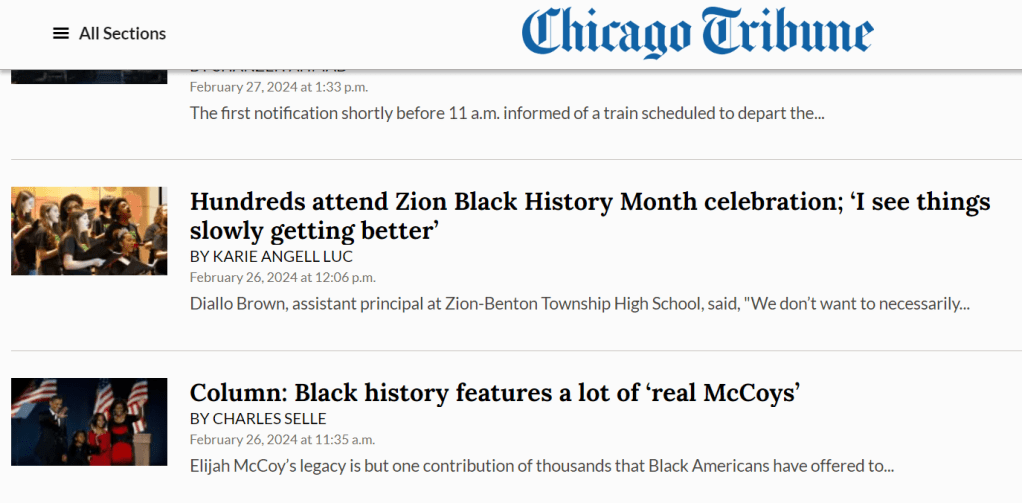
But I am weary of headlines and social media rants that imply we’re on the throes of racial gloom if not doom. Of hearing resurrected venom once thought buried with James Crow, Esq. Of pandering commercialism. Of struggling to explain the rhetoric of “400 years of oppression” shouted from a generation that, yes, is dealing with current, continuing injustices; but also doesn’t seem to grasp their benefits as a result of the struggles overcome by those who lived Black history (slaves, Freedom Riders, trailblazing lawmakers). The benefit of slapping a man on national TV and not going to jail.
Why? Fear of discovery and change. The “Who’s the Baby Daddy?” reveal of the Maury TV show (don’t start me). Facing the nation’s past, our historic DNA, means admitting wrong across the board, then learning what and how to forgive. Across the board. Fortunately, there are models for recognizing how we’ve grown as a nation. Eagerness to use ancestry.com. Why, back in the day, if paternity revealed a drop of colored blood, the person was doomed to slavery…or worse. They’ve come a long way…babies.
When I think of debates and ways to initiate civil conversation toward resolution, I cannot help but think of artistic expression. Of how Alex Haley’s book, “The Autobiography of Malcom X” helped changed Supreme Court votes in Muhammad Ali’s conscientious objector case. More universally, I think of Shylock, the abused and vengeful Jewish moneylender of whom Shakespeare centers his play, “The Merchant of Venice.” Shakespeare’s dissection of attitudes and prejudices between Jewish and Christian cultures could well serve as a contemporary exploration of relations between White and non-White Americans. (For good measure for measure, let’s add Hispanic, Asian, Native American and migrants to the mix). The discussion might center around Shylock’s climatic speech in which he explains his rage and vengeful passions. The speech in which he says:
VIEW VIDEO: Shylock’s Speech, “The Merchant of Venice,” Act 3, Scene 1, The Royal Shakespeare Company (2015)
Until we decide whether or not our hearts are hardened toward other people, and why they are hardened; unless we take advantage of opportunities afforded, not just in February but daily in conversations, museums, and, yes, honest school books, we make the study of Black history weak.
That’s a personal answer I’m not asking for. I’m hoping, though, that you’ll visit and subscribe to “Black History: A Personal Journey” and let’s revise our own history.

 Black History: A Personal Journey
Leave a comment