It takes longer to finish stories than it used to. Age. Fatigue. Cobwebs. The foster dog needs a walk.
I started writing this several weeks ago, as Abraham Lincoln’s Birthday approached, to spotlight its overlooked role in the establishment of Black History Month, celebrating its golden anniversary this year.
I chuckled when the title for the essay came to me. It’s a lyric from a popular novelty song from my teens, “The Name Game.” I occasionally improvised the line in an audience-participation moment during a comedy show to motivate teachers that I performed for several years. Those memories brought the smile.
I intended to post by February 12, Lincoln’s Birthday.
Things happened. The floors needed mopping. I didn’t walk the dog in time.
I moved my deadline to February 16, President’s Day. Mo’ timely for Lincoln.
I finished the revision that day, planning to publish on the 17th after a final proofread.
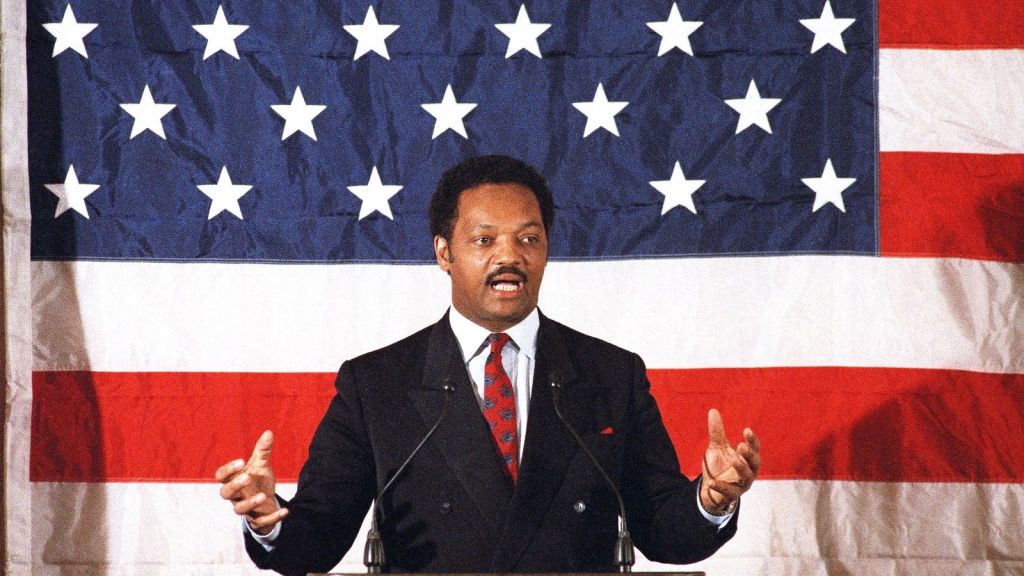
Something else happened. I awakened to learn that Jesse Jackson had passed away.
Sadness and dilemma. Since the improv was inspired by my impression of “Rev. Jesse,” and since I liked the headline, what to do? The question was moot.
A voice from the Ghosts of Copy Desks past:
Get me rewrite!
Jesse Revisited
Revered as he was as a public figure, pastor and role model, Jesse Jackson was fun fodder for performers. As he emerged on the national political scene as a two-time Presidential candidate (1984, 1988) his penchant for poetry and hyperbole endeared him to millions. White Americans who were less familiar with the rhythmic cadence that characterizes many an urban sermon were mesmerized, if not outright supportive.
Although ordained as a Baptist minister (two months after he witnessed Rev. Dr. Martin Luther King Jr.’s assassination in 1968), he was rarely referred to as “Rev. Jackson” — at least, not in my circles. At the barber shop, the dinner table, “Rev. Jackson” was simply, “Jesse.” Unlike in previous generations, this first-name basis was not one of disrespect. To the contrary, Jesse was “Jesse” because he was respected. “Jesse” was one of the guys we could hang with and boast about, even if we hadn’t met him. “Jesse” set the table for “Barack.”
Familiarity and accessibility were enhanced by his comfortability in emerging television programs popular with children and young adults. In an era when Black Americans on TV could, pretty much, still be counted on fingers and toes , Jesse was everywhere. So sayeth the wits: There’s not a topic he cannot rhyme, nor a camera he cannot find. He finds, somebody.
Three appearances are broadcasting classics:
Beyond “Sesame Street”
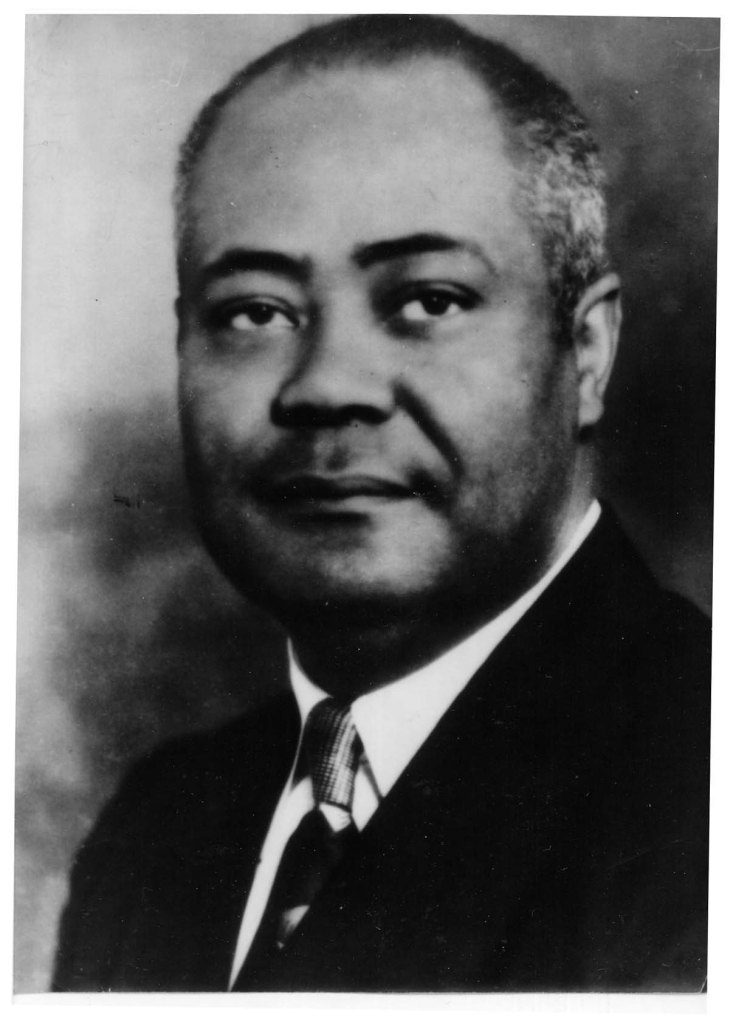
His multicultural “premiere,” as it were, was in 1972 on the three-year-old Public Broadcasting System program “Sesame Street.” He debuted his spin on the poem, “I Am Somebody.” As he should, and as often occurs with generational discoveries, Jackson is credited with introducing the poem into contemporary culture. Less known, even to myself until sitting through a pastor’s sermon a few days ago, is that Rev. Jackson adapted a classic poem written 29 years earlier by Rev. William Holmes Borders.
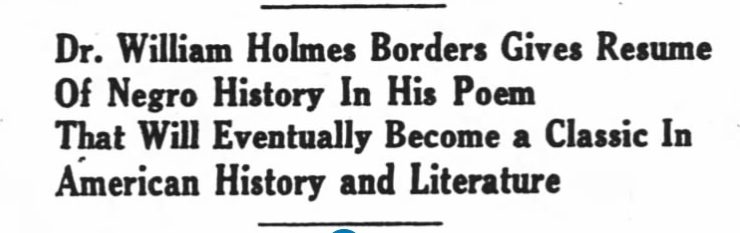
Rev. Borders was a mentor to Martin Luther King and a pioneer among African-American pastors employing media to transmit the gospel. Borders is among the unexplored people of color in American history who merits further study beyond February. So does the roll call of the 45 “somebodys” of African descent in his original nine-stanza poem.
There’s no diminishing of Jesse’s “Sesame Street” salute. No plagarism here. If anything, Jesse’s recitation is an homage to his lineage: King modeled his vocal and physical patterns on Rev. Borders; Dr. King begat Jackson; Jesse opened “Sesame.”
READ MORE: The Original “I Am Somebody”

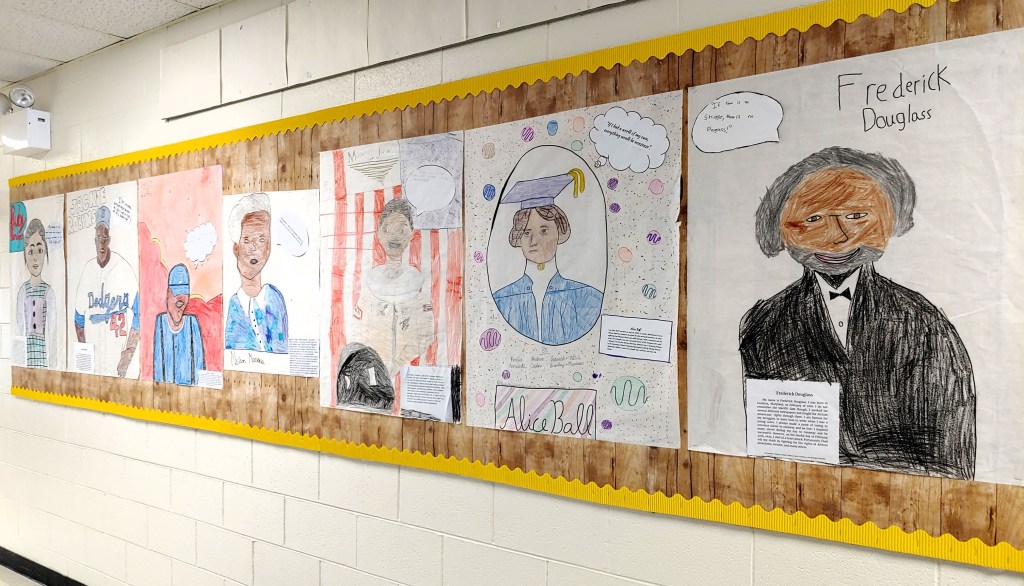

 Black History: A Personal Journey
Leave a comment